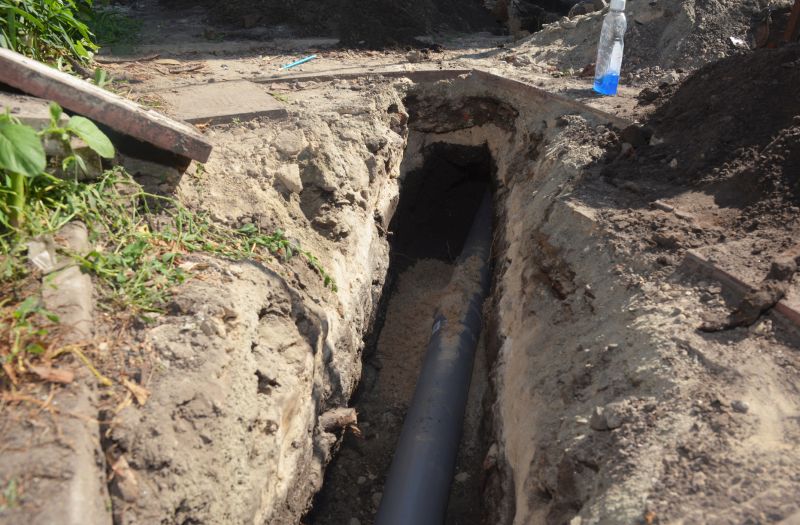
Trench Installation in Houston, TX
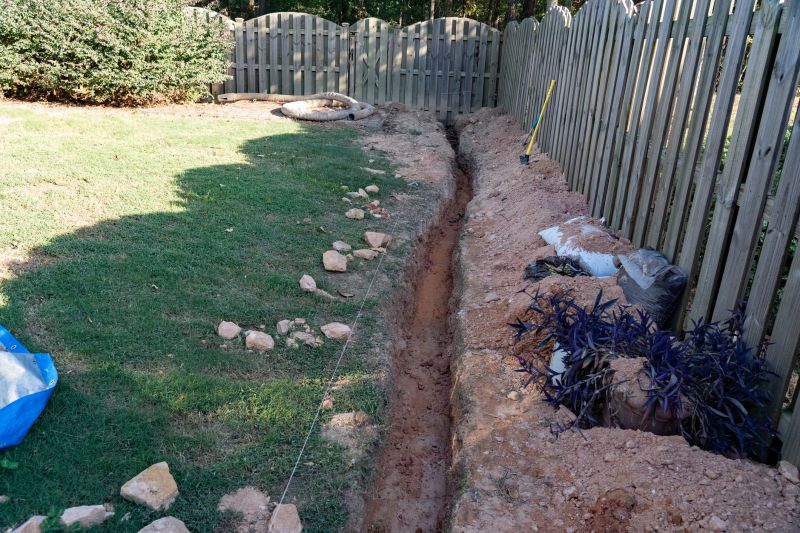
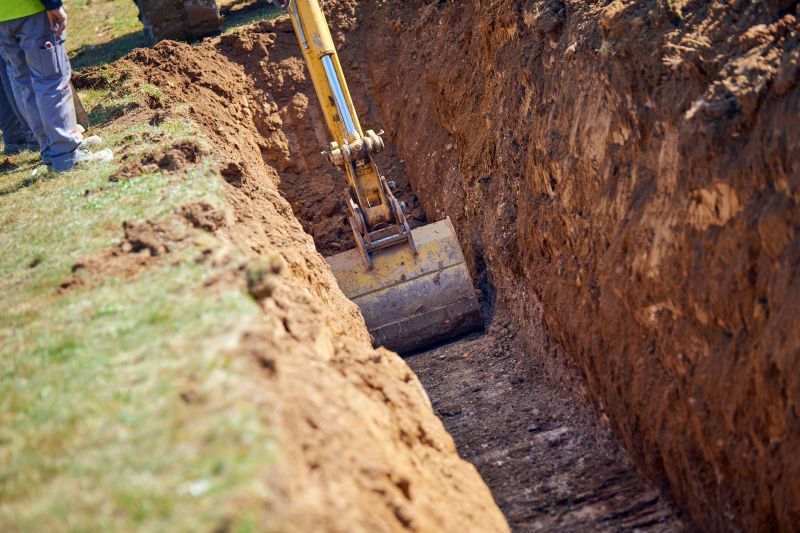
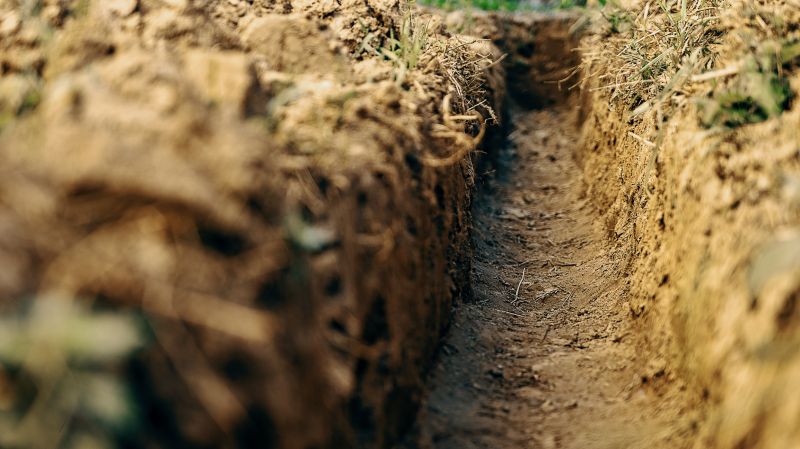
Trench installation services involve digging narrow, deep channels into the ground to facilitate the installation of utilities, drainage systems, or fencing. This type of work is commonly requested for projects such as laying underground cables, pipelines, sprinkler systems, or constructing foundations for fences and retaining walls. Property owners should understand the scope of trenching, including the depth and length required for their specific project, as well as any potential disruptions to landscaping or existing structures. Proper planning and precise excavation are essential to ensure the trenching meets safety standards and project specifications.
Before requesting trench installation, homeowners typically want to know about the impact on their property, including how the work might affect existing landscaping, underground utilities, or drainage patterns. It’s important to consider the location of the trench, the type of soil, and any permits or regulations that may apply in the area. Understanding these factors can help property owners prepare adequately and ensure the trenching process proceeds smoothly, supporting the successful completion of their project.
Many property owners in Houston, TX look into Trench Installation for repairs, replacements, upgrades, and appearance-related improvements.
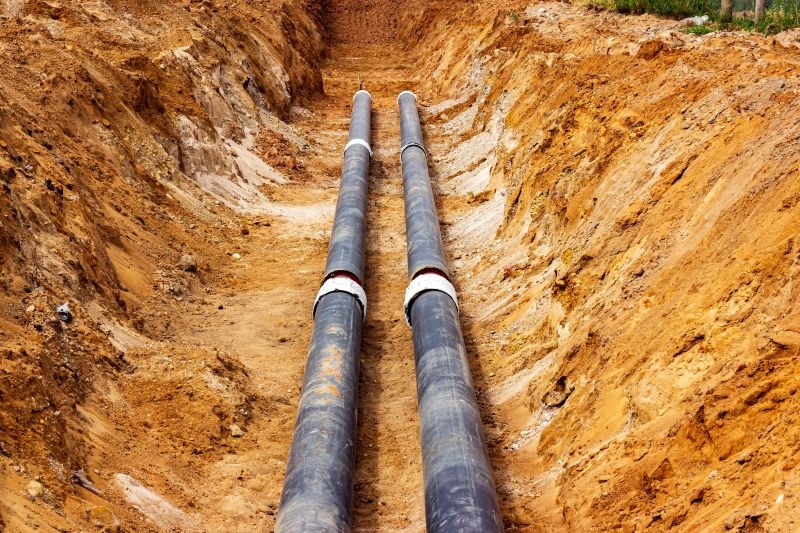
Trench Installation Services
Examples of trench installation work property owners may explore in houston, tx.
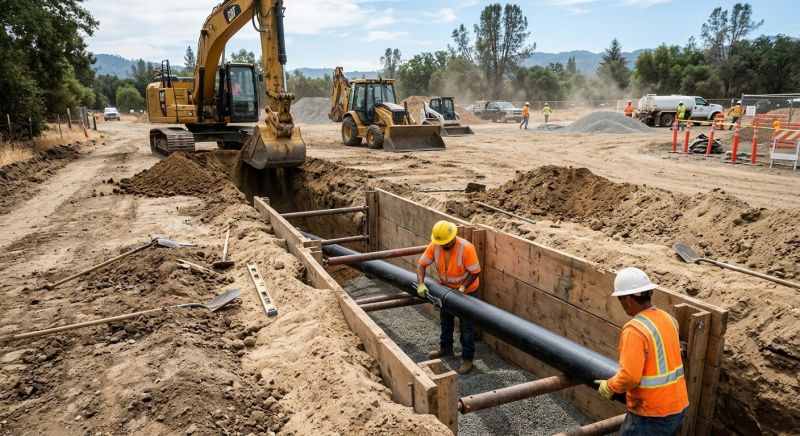
Trench Installation Updates
Common ways people refresh, improve, or restore trench installation features in houston, tx.
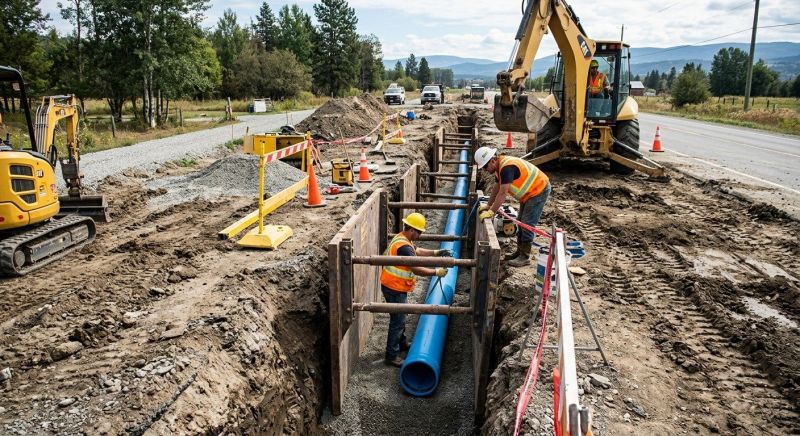
Trench Installation Options
Different styles, layouts, and finishes people consider for trench installation in houston, tx.
Trench Installation in Houston, TX

Trench installation services involve digging narrow, deep channels into the ground to facilitate the installation of utilities, drainage systems, or fencing. This type of work is commonly requested for projects such as laying underground cables, pipelines, sprinkler systems, or constructing foundations for fences and retaining walls. Property owners should understand the scope of trenching, including the depth and length required for their specific project, as well as any potential disruptions to landscaping or existing structures. Proper planning and precise excavation are essential to ensure the trenching meets safety standards and project specifications.
Before requesting trench installation, homeowners typically want to know about the impact on their property, including how the work might affect existing landscaping, underground utilities, or drainage patterns. It’s important to consider the location of the trench, the type of soil, and any permits or regulations that may apply in the area. Understanding these factors can help property owners prepare adequately and ensure the trenching process proceeds smoothly, supporting the successful completion of their project.
Many property owners in Houston, TX look into Trench Installation for repairs, replacements, upgrades, and appearance-related improvements.
Common Trench Installation Jobs
Drainage systems - trench installation helps direct water away from foundations and landscaping.
Utility lines - trenches provide a safe route for installing or repairing electrical, water, or gas lines.
Garden beds - trenches create defined borders and help with soil management for planting areas.
Irrigation systems - trenching is used to lay underground irrigation lines for efficient watering.
Foundation reinforcement - trenches can be part of underpinning or foundation repair projects.
Erosion control - trenches help reduce soil erosion on slopes and prevent runoff issues.
Trench Installation Questions
What is trench installation used for? Trench installation is commonly used for laying underground utilities, drainage systems, or irrigation lines on residential and commercial properties.
What types of projects require trench installation? Projects such as installing sprinkler systems, electrical wiring, or sewer lines often involve trench installation to properly conceal and protect the infrastructure.
How deep are typical trenches for utility lines? Trenches are usually dug to depths that meet local codes and standards, often ranging from 12 to 36 inches depending on the type of utility being installed.
What should property owners consider before trench installation? It’s important to locate existing underground utilities, obtain necessary permits, and plan for proper backfilling and compaction after trenching is complete.
Request Trench Installation in Houston, TX
Use the quote form on this page to share the basics of your project and request more information for the type of work you need.