Compare Local Contractors for Land Excavation Projects
Compare local contractors for land excavation to define scope, verify experience, and set clear expectations in writing, ensuring a well-managed project aligned with property owner goals.
Land excavation services typically encompass a range of tasks related to preparing a property for construction, landscaping, or other development projects. This work often includes removing soil or existing structures, leveling the ground, digging trenches, and creating foundations or drainage systems. Contractors may also handle site clearing, debris removal, and grading to ensure the land meets specific project requirements. Understanding the scope of excavation work needed helps property owners communicate effectively with service providers and ensures that contractors can deliver the appropriate services for the project.
Clearly defining the scope of the excavation project is essential for establishing realistic expectations and avoiding misunderstandings. A well-outlined scope specifies the exact tasks involved, the boundaries of the work area, and any special considerations such as underground utilities or difficult terrain. Having these details in writing provides a reference point for both property owners and contractors, helping to prevent scope creep and ensuring that all parties are aligned on what is to be accomplished. Proper scope definition also facilitates more accurate communication about the work, which can lead to better outcomes and fewer surprises during project execution.
When comparing local contractors for land excavation, property owners should evaluate their experience with similar projects and verify their familiarity with local regulations and site conditions. It is helpful to review the services each contractor offers and ensure they understand the specific needs of the property. Asking for references or examples of completed work can provide insight into their capabilities. Additionally, reviewing written proposals or scope documents from multiple service providers allows property owners to compare how each contractor plans to approach the project and whether their understanding aligns with the project’s requirements. This process helps identify service providers who are well-equipped to handle the job and can meet the project expectations effectively.
Compare local contractors by outlining project priorities, verifying experience, and setting clear expectations in writing.
- Compare Contractor Experience - review the backgrounds and project history of local contractors to ensure they have relevant land excavation expertise.
- Define Project Scope Clearly - establish detailed work requirements and expectations in writing to prevent misunderstandings.
- Verify Contractor Credentials - check references and past work to assess the reliability and quality of local service providers.
- Request Detailed Work Agreements - ensure all project details, responsibilities, and expectations are documented before work begins.
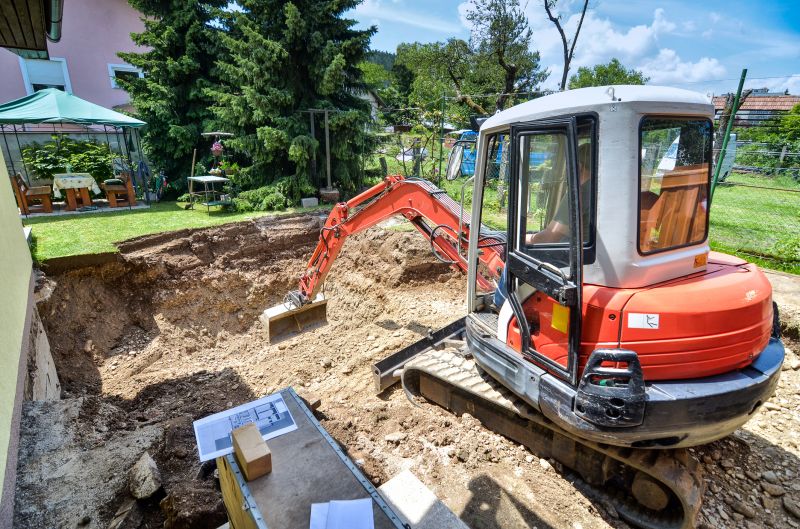
Before comparing land excavation contractors, clearly describe your project scope to ensure accurate evaluations.
- Verify experience and track record in land excavation projects similar to the scope of the job. - Ensuring contractors have relevant experience helps in assessing their capability to handle the specific requirements.
- Define the scope of work clearly and in detail to avoid misunderstandings during the project. - Clear scope documentation sets expectations and provides a basis for comparison between service providers.
- Check references or reviews to evaluate the quality and reliability of local contractors’ past work. - Feedback from previous clients can provide insight into the contractor’s professionalism and workmanship.
- Confirm that the contractor understands site-specific considerations such as soil type, access points, and existing structures. - Proper understanding of site conditions ensures the contractor can plan appropriately and avoid surprises.
- Ensure that the scope of work and expectations are documented in a written agreement or contract. - A detailed written agreement helps prevent disputes and clarifies responsibilities and deliverables.
- Assess the contractor’s ability to coordinate with other trades or services involved in the land development process. - Effective coordination can streamline the project and reduce potential delays or conflicts.
Use this to compare contractors, clarify project scope, verify experience, and set clear expectations.
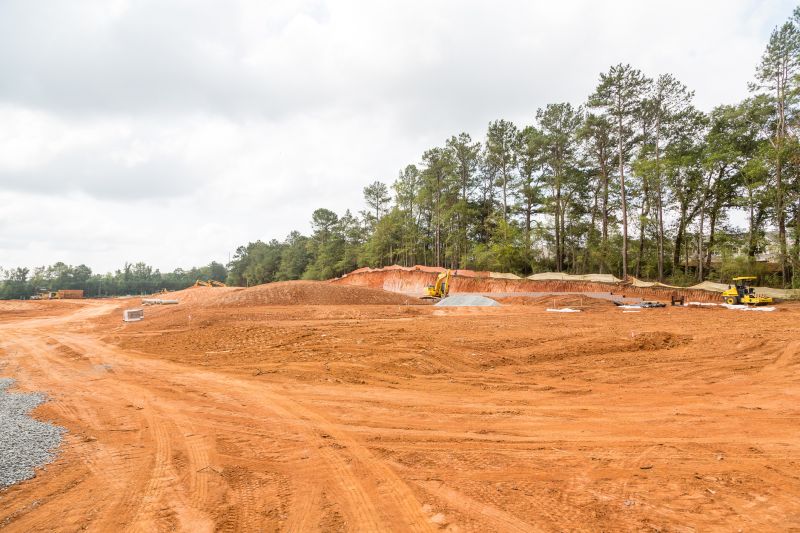
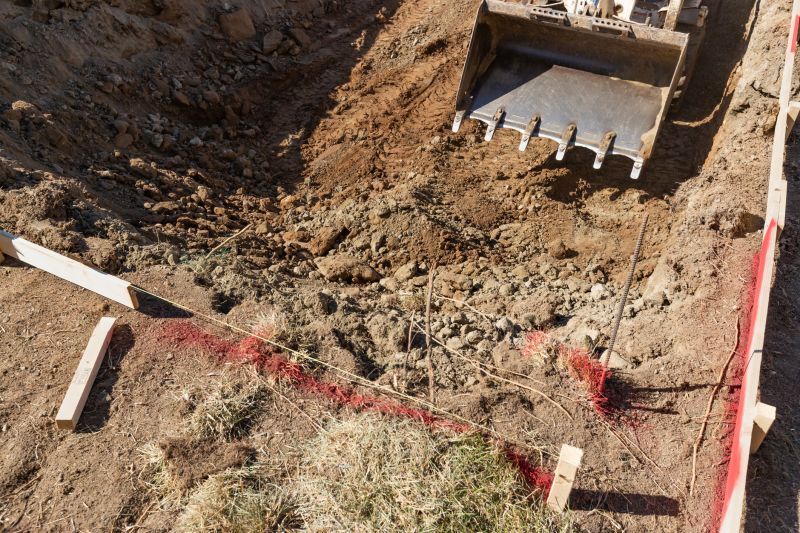
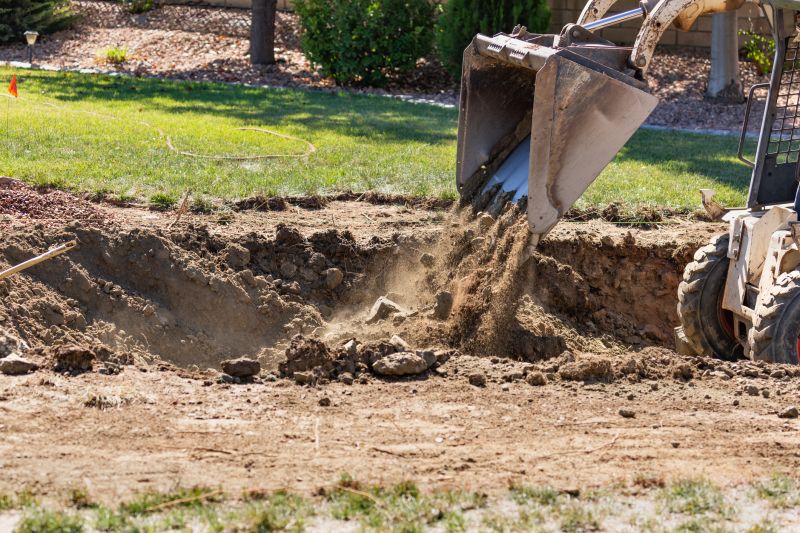
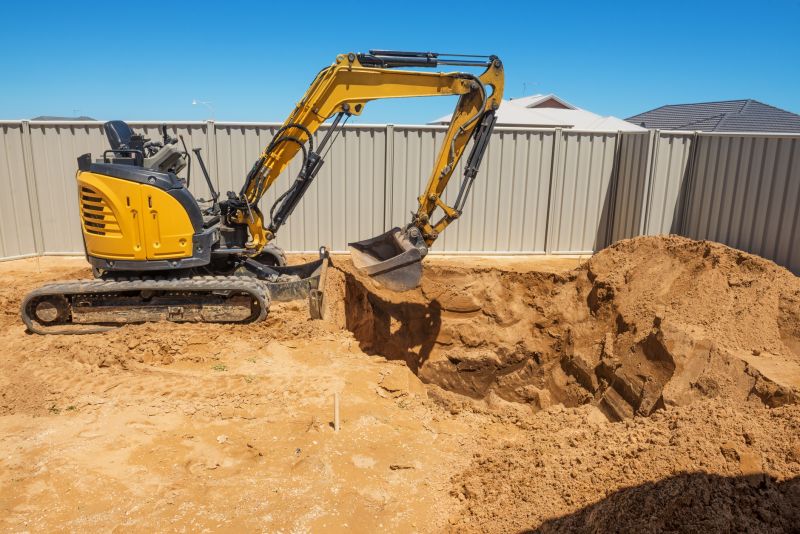
Use clear, consistent comparison criteria across local contractors to accurately define scope, verify experience, and set expectations in writing.
- Project Scope - Clearly define the extent and specific tasks involved in the land excavation project.
- Site Conditions - Assess and document existing land features, access points, and potential obstacles.
- Experience and Expertise - Verify the background and specialization of local contractors in land excavation projects.
- Scope Documentation - Ensure all project details, expectations, and responsibilities are outlined in written agreements.
- Permits and Regulations - Confirm that local service providers are aware of and compliant with applicable land use and excavation regulations.
When comparing contractors for land excavation, it’s important to consider their experience with similar projects. Look for service providers who have a proven track record handling excavation tasks comparable in scope and complexity to your project. This background can indicate familiarity with the specific challenges that may arise and suggest a higher likelihood of smooth execution. Asking for examples of past work or references related to comparable projects can provide insight into their capabilities and help ensure their experience aligns with your needs.
A clear, written scope of work is essential when evaluating land excavation contractors. This document should outline the specific tasks to be completed, the materials involved, and any relevant project details. Having a detailed scope helps to set clear expectations and serves as a reference point throughout the project. It also reduces the risk of misunderstandings or scope creep, ensuring that both parties have a shared understanding of what the project entails from the outset.
Verification basics are key to confidently choosing a contractor. While licensing and certification are not the focus here, it’s worthwhile to verify the contractor’s reputation through references, reviews, or local industry directories. Confirming that they have a history of completing projects successfully and maintaining good relationships with previous clients can provide reassurance. Additionally, clarifying their familiarity with local regulations and site conditions can help prevent surprises during the excavation process.
Evaluating options without focusing on prices involves assessing how well each contractor’s experience, scope, and communication align with your project’s requirements. Consider how thoroughly they understand your project needs, the clarity of their proposed scope, and the professionalism evident in their communication. Asking detailed questions about their approach, methods, and past projects can help identify the service providers most capable of delivering quality excavation work. This approach ensures that you select a contractor based on expertise and fit, rather than cost alone.
Ask contractors to provide written scope of work to ensure clear expectations and consistent project understanding.
- Experience and Credentials - What relevant experience and project history do the local contractors have with land excavation?
- Scope of Work - How clearly do the contractors define the scope of excavation services included in their proposals?
- Equipment and Techniques - What types of equipment and excavation methods do the local service providers plan to use?
- Project Expectations - How do the contractors specify project deliverables and responsibilities in their written agreements?
- Comparison Criteria - What factors should be used to compare the quality and reliability of different local excavation contractors?
What should I consider when choosing a land excavation contractor? It’s important to compare the experience and reputation of local contractors, review their scope of work, and ensure expectations are clearly outlined in writing to avoid misunderstandings.
How can I verify a contractor’s experience in land excavation? You can ask for references or examples of previous projects, and check if they have a history of handling similar excavation jobs in your area.
What questions should I ask a potential land excavation service provider? Inquire about their scope of work, the equipment they use, their process for managing the project, and how they handle unexpected issues that may arise during excavation.
Why is it important to define the scope of work in writing? Having a detailed written scope helps ensure all parties agree on what work will be performed, reducing the risk of disputes and clarifying project expectations.
How can I compare different land excavation contractors effectively? Review their experience, scope of work, references, and ensure they provide clear, detailed proposals that match your project needs.
What role does communication play in hiring a land excavation contractor? Clear communication helps set realistic expectations, ensures all aspects of the project are understood, and provides a record of agreements for future reference.
This page has highlighted the importance of clearly defining project scope, verifying the experience of local contractors, and putting expectations in writing to help ensure a smooth land excavation process. Comparing different service providers can help identify those best suited to meet specific project needs, making it easier to find the right match for the job. Using the quote form to connect with multiple local contractors provides an effective way to gather information and make informed decisions.
By utilizing the quote form, visitors can easily compare options among local service providers who specialize in land excavation. Taking the time to review credentials, clarify project details, and communicate expectations in writing can lead to a more streamlined experience. Exploring multiple local contractors through this process can help identify the most suitable professionals for the specific excavation requirements.