Compare Local Contractors for Building Excavation Projects
Compare local contractors for building excavation to define project scope, verify experience, and set clear expectations before hiring.
Building excavation services typically encompass the preparation and movement of earth to support construction projects. This work can include site clearing, grading, trenching, and the removal of soil or debris to create a stable foundation for buildings, driveways, landscaping, or other structures. Proper excavation ensures that the land is properly leveled, drainage is managed, and the groundwork is solid, helping to prevent future issues related to settling or shifting. When selecting a contractor for excavation work, it’s important to clearly define the scope of the project-specifying the areas to be excavated, the depth required, and any additional tasks such as hauling or site grading-to ensure all parties have aligned expectations.
Defining the scope of excavation work is a crucial step in the process. A detailed scope helps property owners communicate their needs effectively and provides a basis for comparing different service providers. It can include specifics about the extent of excavation, the type of soil or material involved, access considerations, and any site-specific challenges. Having a written outline of the work helps prevent misunderstandings and sets clear expectations for the contractor’s responsibilities. It also ensures that all aspects of the project are considered, reducing the risk of surprises or scope creep as the work progresses.
Comparing local contractors for building excavation involves evaluating their experience, reputation, and ability to meet project requirements. Property owners should look for service providers with a proven track record in similar projects within the area, as familiarity with local soil conditions and regulations can influence the quality of work. When assessing contractors, it’s beneficial to review their work history, ask for references, and verify that they understand the scope of the project as outlined. Establishing clear communication and confirming that expectations are documented in writing can help ensure a smooth process and successful completion of the excavation work.
Compare local contractors by outlining project priorities, verifying experience, and clearly defining scope and expectations in writing.
- Define Project Scope - clearly outline the excavation needs to ensure understanding with service providers.
- Verify Experience and References - assess the background of local contractors to confirm relevant expertise.
- Request Written Estimates - obtain detailed, written descriptions of work and expectations for comparison.
- Compare and Select Contractors - evaluate qualifications and proposals to choose the most suitable service provider.
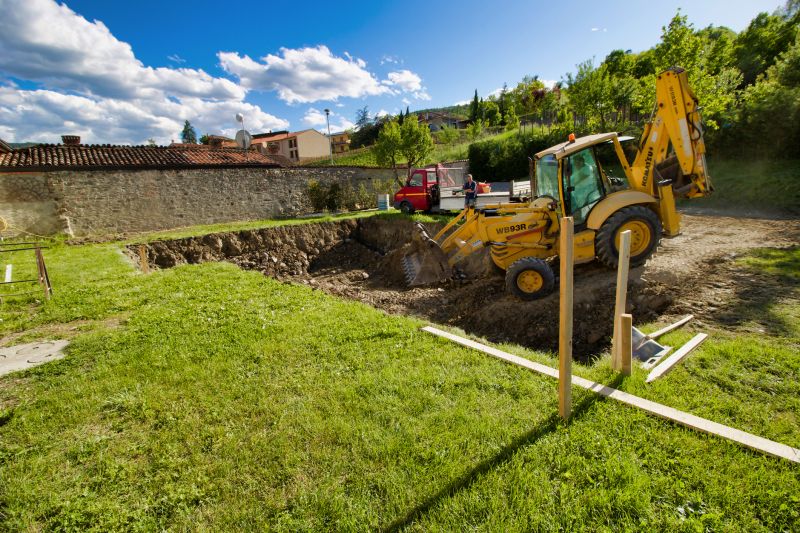
Clearly describe your building excavation project to effectively compare local contractors, verify experience, and set written expectations.
- Verify experience and references for building excavation projects similar in scope and complexity. - Ensure service providers clearly define the scope of work and excavation boundaries in writing.
- Check for proper site assessment and preparation practices before beginning excavation work. - Confirm that contractors evaluate soil conditions, underground utilities, and site access requirements.
- Review safety protocols and procedures that contractors plan to implement during excavation activities. - Make sure expectations regarding safety measures and compliance are documented and understood.
- Compare the methods and equipment used by different local contractors to ensure suitability for the project. - Look for detailed explanations of excavation techniques and machinery to match project needs.
- Confirm that contractors have appropriate insurance coverage and liability protections in place. - Verify that service providers carry sufficient coverage to protect against potential damages or accidents.
- Discuss project timelines and milestones in writing to set clear expectations and accountability. - Ensure all project details, including scope and responsibilities, are documented before work begins.
Compare local contractors' experience and credentials to help define project scope and set clear expectations.
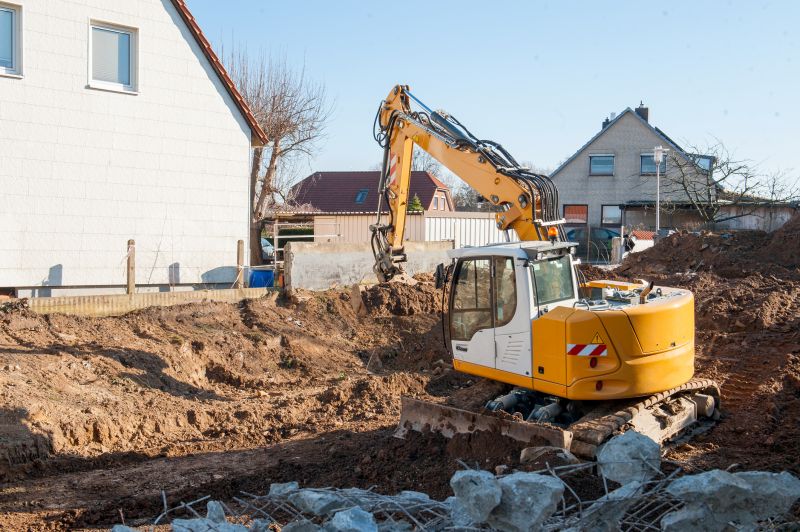
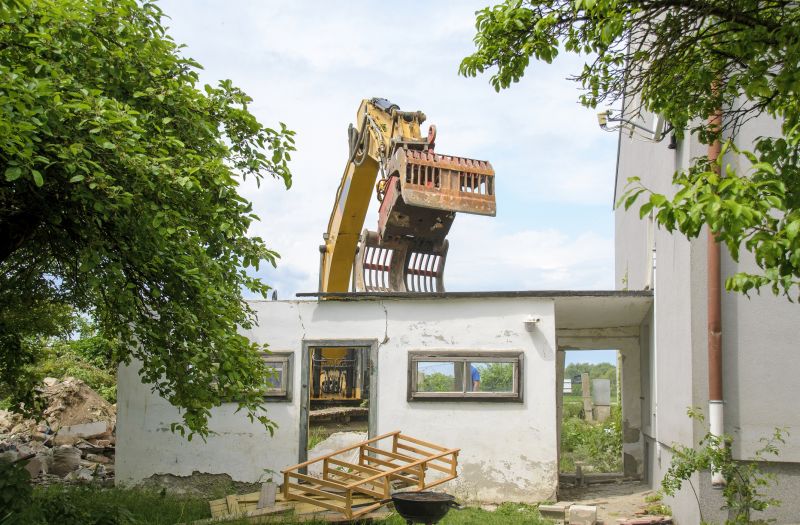
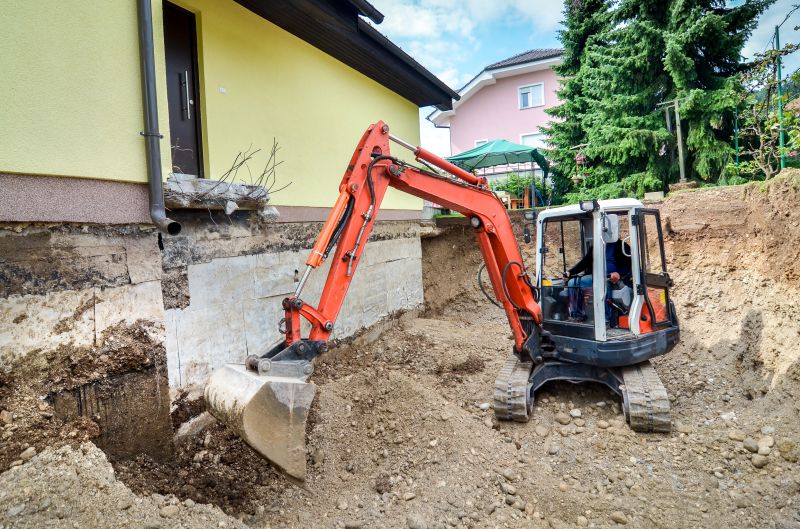
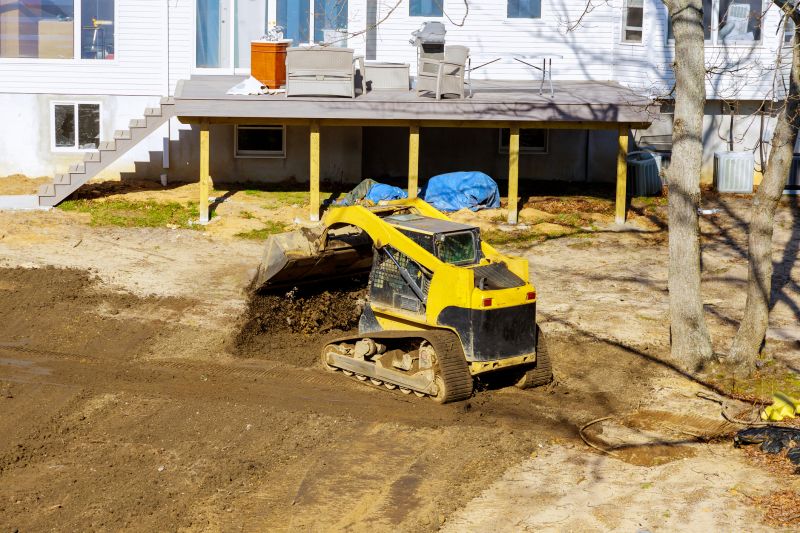
Learn how to compare local contractors for building excavation by defining scope, verifying experience, and setting clear expectations.
- Project Scope Definition - Clearly outline the extent of excavation work required, including specific areas and depths.
- Experience Verification - Ensure the service providers have relevant experience with similar excavation projects.
- Equipment and Technique Specification - Confirm the types of equipment and excavation methods that will be used for the project.
- Permitting and Compliance - Verify that the contractors are aware of and will handle necessary permits and regulatory requirements.
- Written Agreement of Work Details - Establish a detailed, written scope of work to prevent misunderstandings during the project.
When comparing contractors for building excavation projects, it is important to assess their experience with similar types of jobs. A contractor with a proven track record in handling projects comparable in scope and complexity can offer valuable insights and a higher level of confidence in their capabilities. Homeowners should inquire about past work that aligns with their specific needs, such as foundation excavation, site clearing, or grading, to better understand the contractor’s expertise and familiarity with the challenges that may arise.
A clear, written scope of work is essential for setting expectations and ensuring all parties are aligned on project deliverables. When reviewing proposals or estimates, homeowners should seek detailed descriptions of the tasks involved, the materials to be used, and the project boundaries. This documentation helps prevent misunderstandings and provides a solid foundation for evaluating the thoroughness and professionalism of different service providers.
Verification basics involve confirming that contractors have the necessary experience and a history of completing projects similar to the one at hand. Homeowners can ask for references or examples of past work, and consider checking online reviews or testimonials to gauge reliability and quality. It is also beneficial to verify that the contractor’s approach aligns with local regulations and industry standards, even if formal licensing or certification is not a focus, to reduce the risk of issues during or after the project.
Evaluating options without discussing prices involves focusing on the quality of the scope, experience, and communication. Homeowners should compare how well each contractor understands the project’s requirements, the clarity of their written proposals, and their ability to articulate their approach. Asking detailed questions about their methods and past experiences can help determine which service providers are most capable of delivering the desired results, ensuring a well-informed decision based on expertise and professionalism rather than cost alone.
Request written scope and expectations from local contractors to ensure clear, consistent understanding of the excavation project.
- Experience and Specialization - What specific experience do the contractors have with building excavation projects similar to yours?
- Scope of Work - How do contractors define and outline the scope of excavation work to ensure clear expectations?
- Equipment and Techniques - What types of equipment and excavation techniques do the service providers typically use for different site conditions?
- Project Management and Communication - How do contractors handle project coordination and keep clients informed throughout the excavation process?
- References and Past Projects - Can the contractors provide references or examples of previous excavation projects to verify their experience?
How can I compare contractors for building excavation? Comparing local contractors involves reviewing their experience, verifying references, and assessing their scope of work to ensure they meet project requirements.
What should I define in the scope of my excavation project? Clearly outlining the project’s size, depth, access points, and specific tasks helps contractors understand the work and provide accurate proposals.
How do I verify a contractor’s experience in excavation work? You can ask for details about their previous projects, request references, and check their track record with similar types of excavation jobs.
Why is it important to have written agreements with contractors? Written agreements help set clear expectations, specify scope, and provide a record of the agreed-upon work to prevent misunderstandings.
What questions should I ask when evaluating local excavation contractors? Inquire about their experience with similar projects, methods used, safety practices, and how they handle unexpected issues during excavation.
How can I ensure a contractor understands my project needs? Providing detailed project descriptions and requesting written proposals or scope documents helps ensure everyone is aligned on expectations.
This page has provided an overview of what to consider when choosing contractors for building excavation projects. Visitors have learned how to clearly define the scope of work, verify experience, and set expectations in writing to help ensure a smooth process. Comparing local contractors can help identify options that meet specific project needs and preferences.
Using the quote form allows visitors to easily connect with local service providers who can handle excavation jobs. It’s a straightforward step to explore different options, gather information, and find the right match for the project’s requirements.